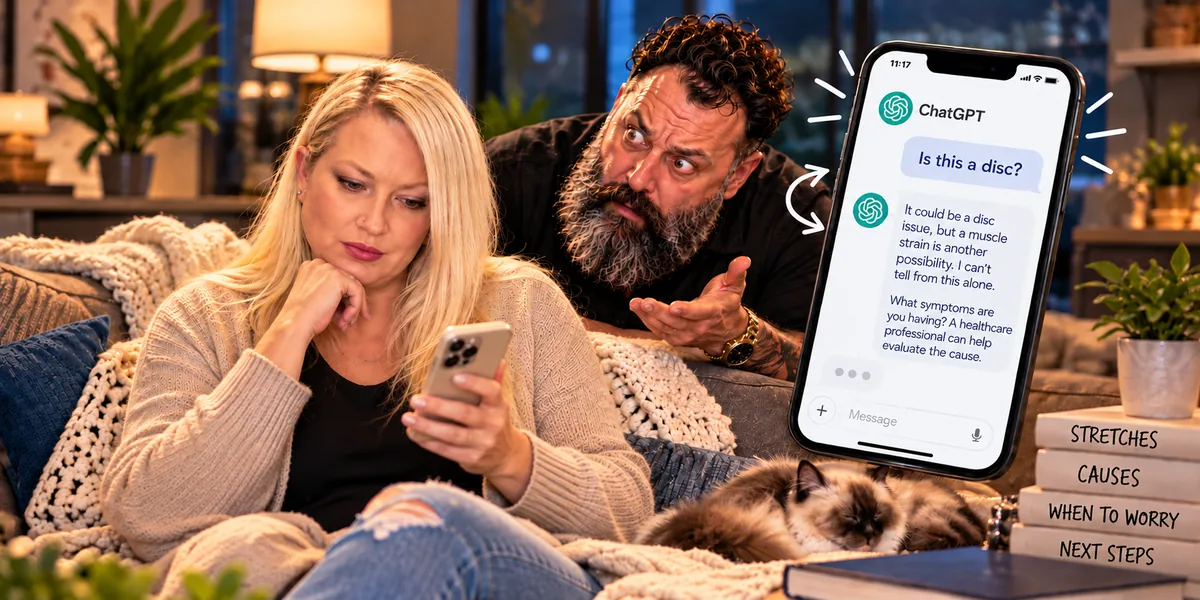
“ChatGPT said it could be a disc.”
Your patient tells you this the second they sit down.
It also said it could be a strain, gave them a few gentle stretches, and told them to see a professional.
They only remember the word “disc.”
So let me ask you straight. Where do your patients take their questions between visits?
The 11pm “is this normal?” after a long day at a desk.
The “ice or heat?” while they’re standing in the kitchen.
The “can I still lift this weekend?” before they help their brother move.
None of those feel worth a call to your office. So they type it into their phone.
They’re not replacing you. They had a question, and nobody from your office was there to answer it.
The AI isn’t competing with your adjustment. It’s filling the quiet between visits, and it’s never seen their spine.
Everybody’s selling AI for chiropractors right now. Scribes, receptionists, chatbots for your website. But the AI that’s already in your practice is the one your patients open at 11pm. Here’s what they’re reading, what to say when they bring it in, and how to get those small questions back to you.
What are patients reading when they ask AI about their back?
Careful, general answers to small questions, and odds are you’ve never seen one.
Most of what they type is small. Is it okay that it’s sore. Should I sleep on my side. The answer is careful and general. Some patients read it and relax. Some read it and panic. Either way, they walk in with answers you didn’t give them.
Try this: Tonight, open ChatGPT on your phone and type the three questions you hear most on the table. Read what comes back. That’s what your patients read before they see you.
What should you say when a patient says ChatGPT told them something?
Ask what it told them. Don’t fight it on the table.
Roll your eyes and they’ll stop telling you. They won’t stop asking it. Ask what it said, and you’ll hear what they actually took away. Then you can set it straight for their body.
Try this: Next time a patient says “I looked it up,” say “Good. What did it tell you?” Then answer in one sentence about their own spine.
Why don’t patients call your office with small questions?
Because they don’t want to bother you.
“Should I skip yoga this week?” feels too small to call about, so they ask the phone instead. Nobody ever told them the office wants that call. One sentence from you changes where the question goes.
Try this: At the end of each visit this week, add one line. “If anything comes up before next time, call us. Small stuff too.”
What This Means for You
- ✅ A careful answer still leaves a patient holding the scariest word in it
- ✅ The AI can list what it might be. Only you can tell them what it is
- ✅ A patient who feels judged for looking it up just stops telling you
- ✅ Every small question that never reaches you gets answered somewhere else
Pro Tip: That one line at checkout only reaches the patients on your schedule this week. Everybody else on your list is still typing their questions into a phone. A weekly patient newsletter answers the ice-or-heat stuff before they go looking, in your voice, and keeps your office the first place they think to ask.
Inside CC with Nerissa: I Used to Think AI Was a Cylon. Now I’m Picking Out Her Hair


Sunday Funday. We drove to the next town over. A little bigger. A lot better food.
No matter where we end up, Greg gets the old fashioned and a steak. 🥃
Connie approved.
You don’t know Connie yet. You will. We’ve been busy behind the scenes getting her ready for her debut, and this week we started putting a face to her name. More on that in a minute.
First, the thing we keep coming back to.
AI is here. Whether you embrace it, hate it, or you’re frankly afraid of it, it’s here. So what are we gonna do?
If you’ve followed along with me for the past two years, you already know. I started off a naysayer. Now I use it every single day.
What it boiled down to for me was understanding it. I had to get past everything Battlestar Galactica taught me and look at what the thing actually does. 🤖
Google gives you a list of links. AI reads the links for you and hands you what it thinks matters.
That’s it. That’s the whole trick. The rest is on you.
It has to know who it’s working for. How’s it supposed to know anything about me if I don’t tell it? So I tell it. Who I am, who my clients are, what I’d never say. The more it knows going in, the less it guesses.
Then I correct it. Every time it gets something wrong, I say so, and I say why. That’s where it starts sounding like me instead of like a robot.
And the part nobody warns you about. It doesn’t remember any of that on its own. Close the window and it’s gone. You have to give it somewhere to keep what it learned, or you start over every morning.
Once I understood what it was doing for me, I could finally talk to it.
Side note. I call my ChatGPT a girl. OpenAI really missed the mark not giving theirs a real name. Claude killed the marketing on that front. 😂
And now anyone and everyone is launching an AI something. You can fall down a rabbit hole and vibe code an app in a weekend.
That’s not what we did.
Greg spent months on Connie. He built her on my fifteen years. Hundreds of newsletters. Two years of performance reviews from real clients. And she remembers all of it. Nobody said “hey Claude, make us a bot.” He did the painstaking work it takes to get her just right. 🛠️
And our clients love her. Clients, hell. We love her. 💛
Thanks to Connie, we’re not scrambling anymore. Our human team does what humans do best, and she does the rest.
Which is how we ended up in a booth on a Sunday, waiting on a steak.
So. What does she look like. We’re still figuring that out. I had Claude describe her and ChatGPT draw her. First try. We’ll see where she ends up.
I think she should look like me.
But then she wouldn’t be Connie. 😉
What does a Chiro Connect newsletter actually include?
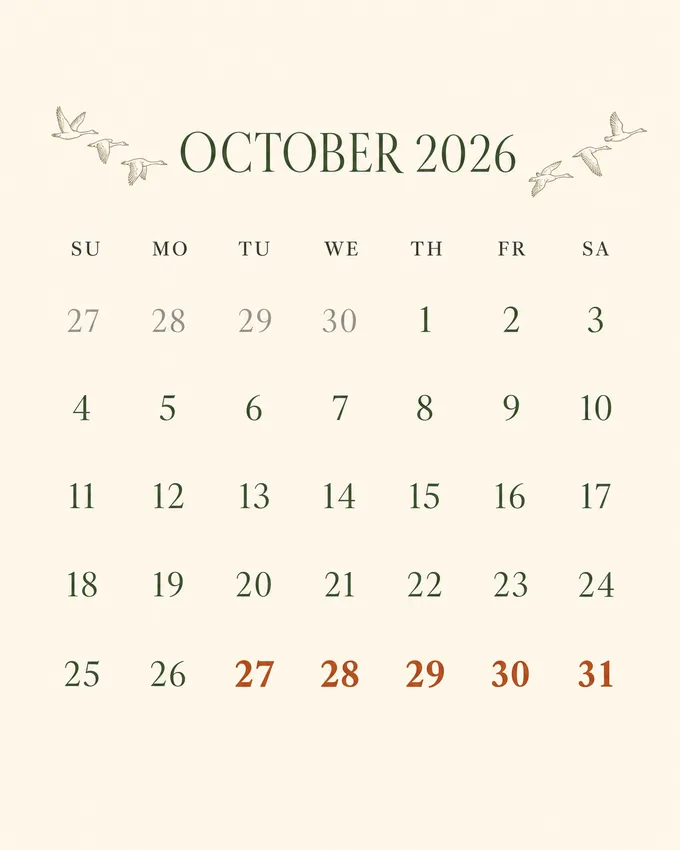
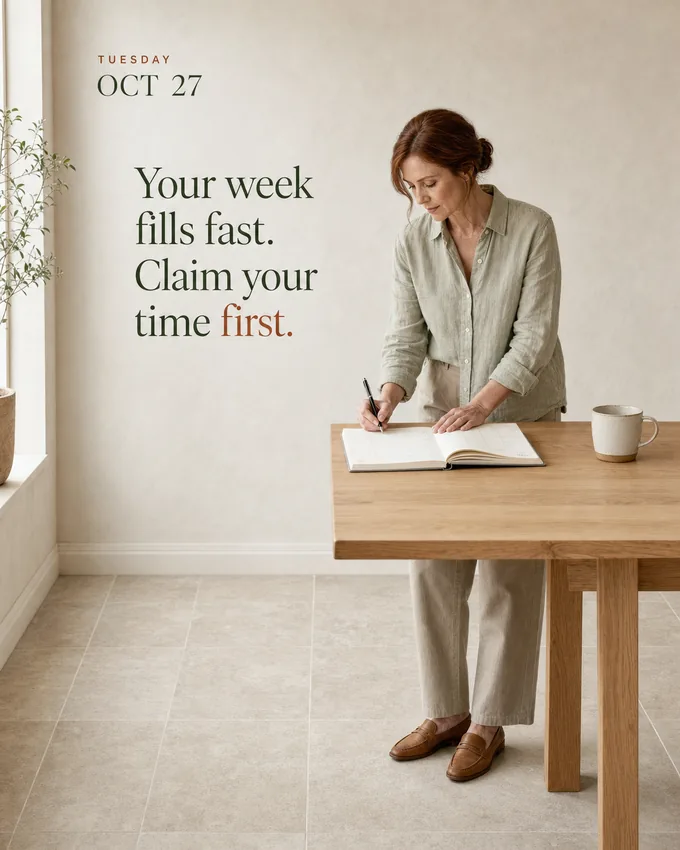
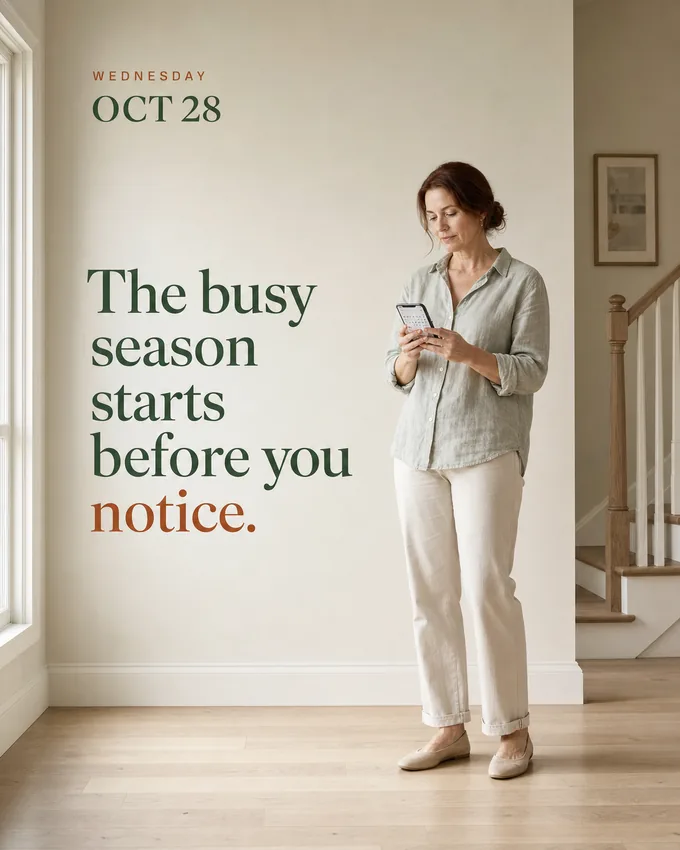
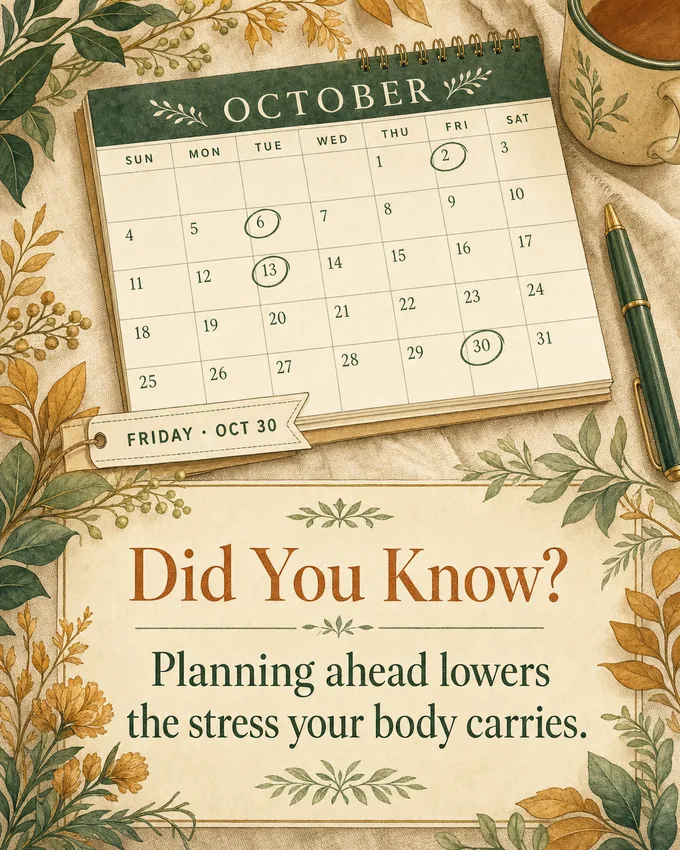
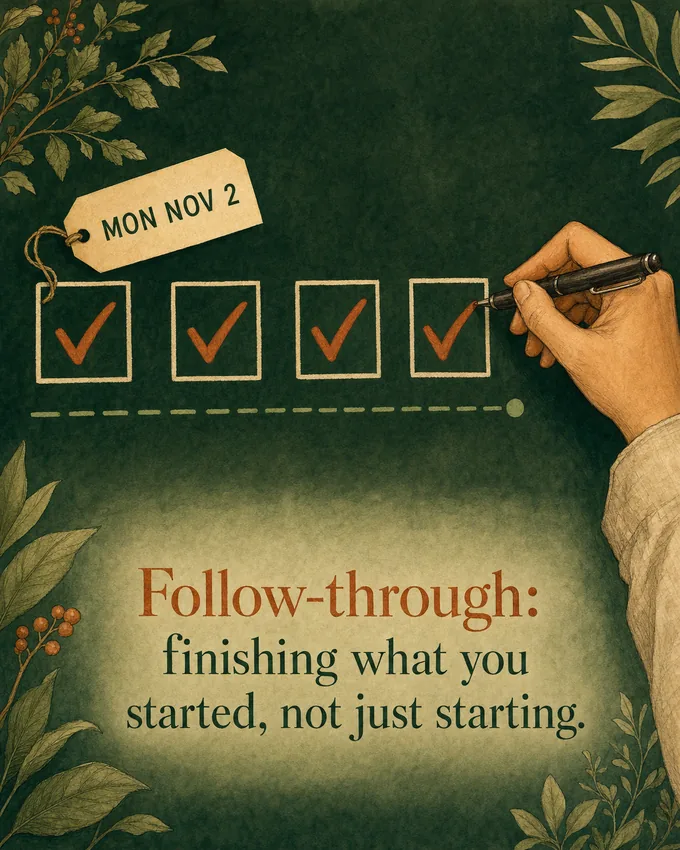
Every newsletter ends with a Week of Wellness, a simple daily calendar that gives patients something to check and use all week, and a reason to open the next email. Here’s the one that went out with this issue.



FAQ
How are chiropractic patients using AI?
Mostly for the small questions between visits. Ice or heat. Is it normal to be this sore. Can I still lift this weekend. None of that feels worth a phone call, so they type it into ChatGPT. They’re not replacing you. They had a question, and nobody from your office was there to answer it.
What should a chiropractor say when a patient says ChatGPT told them something?
“Good. What did it tell you?” Then answer in one sentence about their own spine. Roll your eyes and they’ll stop telling you, but they won’t stop asking it. Asking is how you find out what they actually took away. Often it’s just the scariest word in the answer. Your front desk can put the same tool to work on their side of the counter, too. Here’s what your CA should actually use ChatGPT for.
Why do patients ask AI instead of searching Google?
Google gives you a list of links. AI reads the links for you and hands you what it thinks matters. At 11pm in the kitchen, that feels like an answer. It’s careful and general, and it’s never seen their spine. That’s the part only you can fill in.
What should chiropractors know before using AI tools?
It has to know who it’s working for. Tell it about your practice, your patients, and what you’d never say, because the more it knows going in, the less it guesses. Correct it every time it gets something wrong, and say why. And it doesn’t remember any of that on its own. If it has nowhere to keep what it learned, you start over every morning.
Want your patients hearing from your office between visits, not just from their phone? Let’s look at what’s already in your list.