
You know that patient who was doing great and then just vanished?
Sleeping through the night again. Getting through grocery runs without their hip lighting up. Told you at their last visit they felt better than they had in years.
And then nothing. No cancellation. No call. Just gone, and it’s always the same spot. Right around visits 10 to 12. Right when the pain quits.
Because most patients don’t drop off schedule while it still hurts. They quit when they’ve graduated themselves from care, because they do feel better. And they do it quietly, because in their head, nothing’s wrong. They got exactly what they came for.
Your unhappy patients give you a warning. Your happy ones just give you a good last visit.
What do patients actually say yes to at the report of findings?
They say yes to pain relief. The rest never lands.
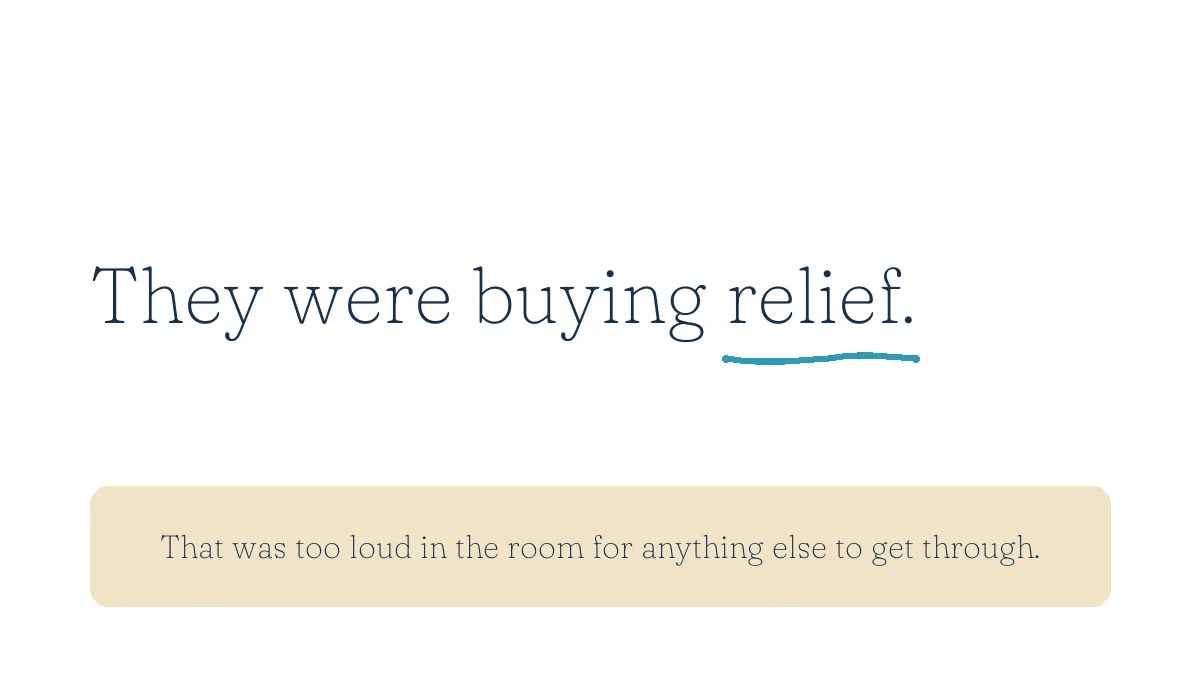
A patient in pain hears one thing at the report of findings. Can you make this stop. You made the whole case, and making that case is the hardest thing you do all week. They nodded along. But they were buying relief, and that was too loud in the room for anything else to get through.
Try this: This week, listen to how patients describe their progress. “Better.” “Almost gone.” “Barely feel it.” Symptom words are the tell. That’s the whole plan in their head.
Why do chiropractic patients drop off around visit 11?
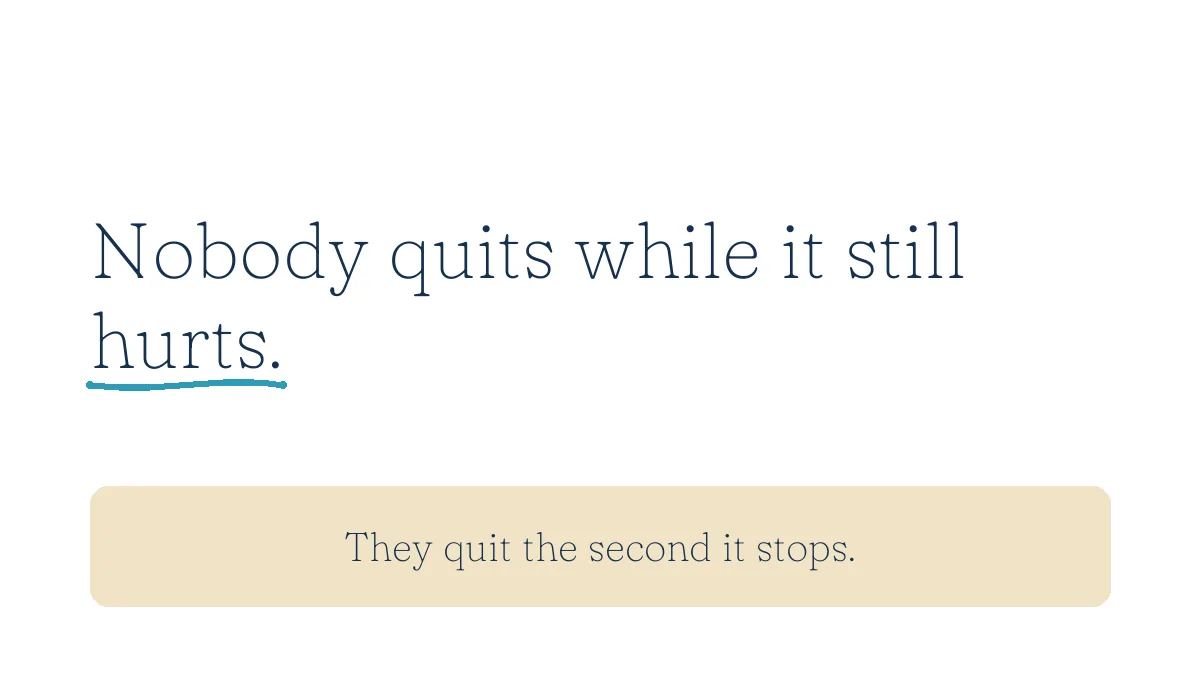
Because that’s the exact moment the pain lets go. The dropoff isn’t random.
The pain was the assignment. Somewhere around visit 11, it feels done, and in their mind, so does the plan. They start letting visits slide. No announcement, no decision you can see. And in July, with vacations and kids home, sliding doesn’t even take effort.
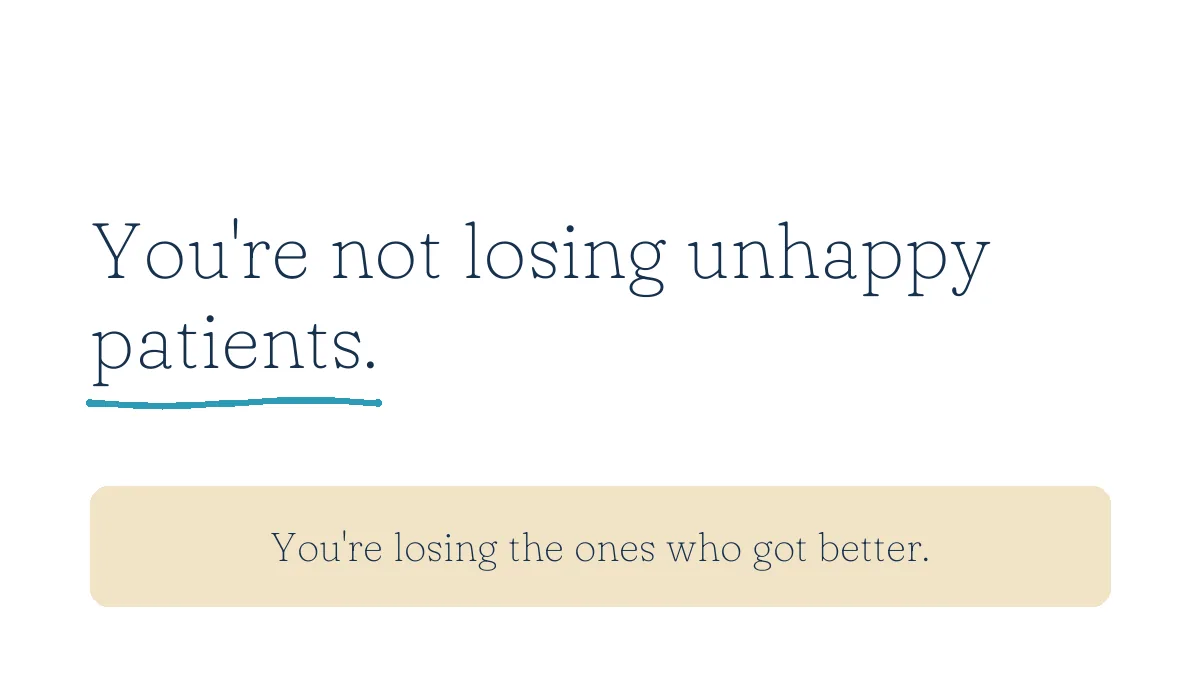
Try this: Pull your last five mid-plan dropoffs and check what visit they stopped on. If they bunch around the 11th visit, you’re not losing unhappy patients. You’re losing the ones who got better.
When can patients finally hear the case for continued care?
At the feeling-better visit. It’s your second shot at the case, and this time they can hear it.
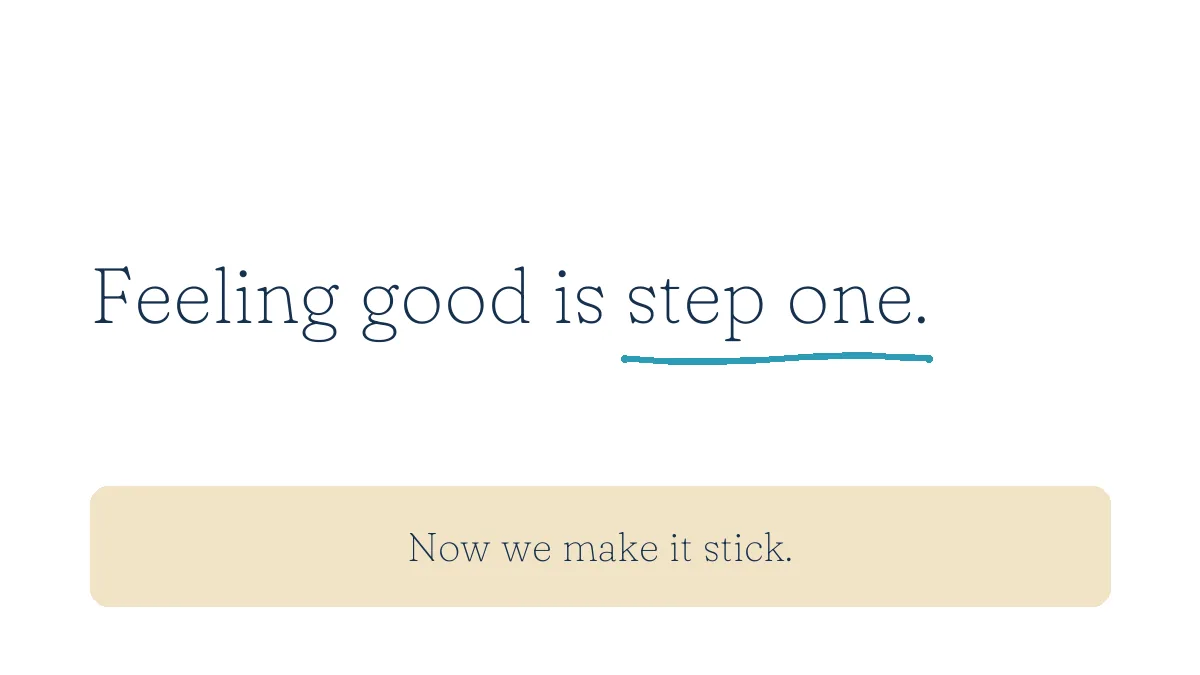
The first time you made the case, pain was doing all the listening. The visit where they say they feel great is different. The noise is gone. That’s when one clear sentence does what the whole report of findings couldn’t. Relief is step one. Making it stick is the goal. Then the next two visits go on the books before they leave.
Try this: Give that visit its own line and say it every time. “Feeling good is step one. Now we make it stick so you’re not back here in the fall.” Then book the next two visits before they’re off the table.
What This Means for You
- ✅ A patient who answers in symptom words is telling you what they think they bought
- ✅ The 11th visit dropoff is the I feel better phase showing up on your schedule
- ✅ Summer doesn't cause the slide, it just makes it effortless
- ✅ One clear sentence at the feeling-better visit saves more plans than any recall call
Pro Tip: Make the feeling-better visit its own flagged visit type in your schedule notes. The sentence gets said every time, by whoever’s in the room, not just on the days you remember it.
This is the exact pattern The Chiro Courier covers every week, and it’s the pattern our client newsletters are built to interrupt. When patients hear from your clinic between visits, the feeling-better phase stops being an exit. 50 to 70% of the patients on our client lists open an email from their chiropractor every month. Those are the same people deciding whether visit 12 happens.
Inside CC with Nerissa: I Gave a Room Full of Students the Same Speech I Give Docs Twenty Years In
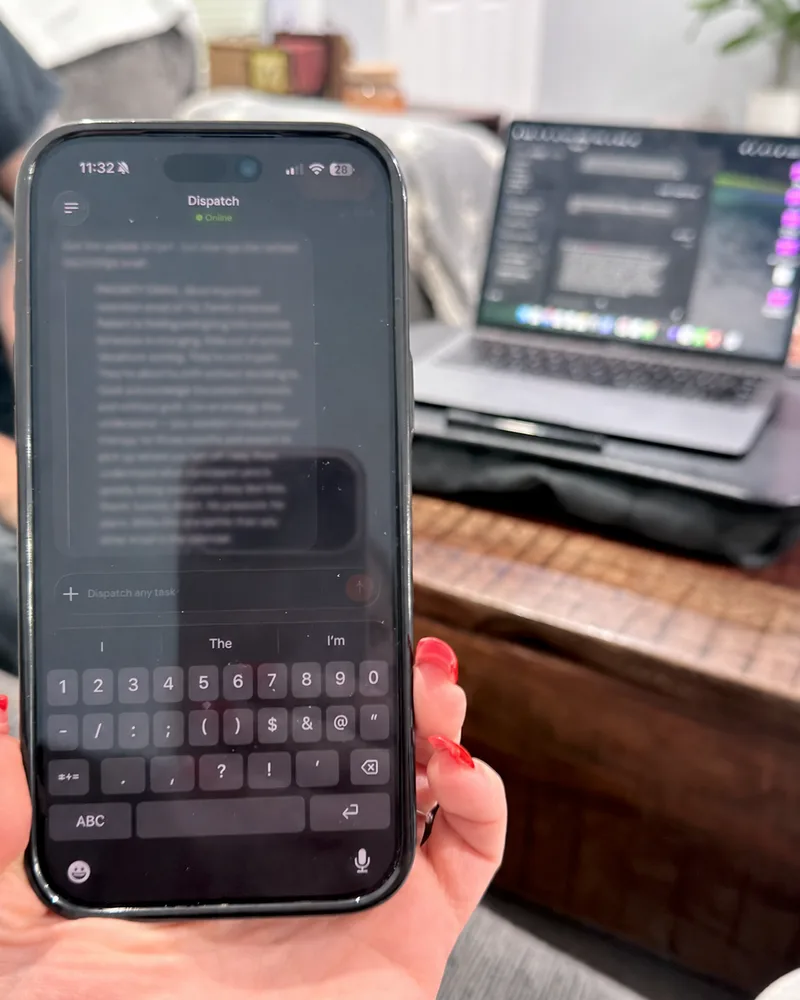
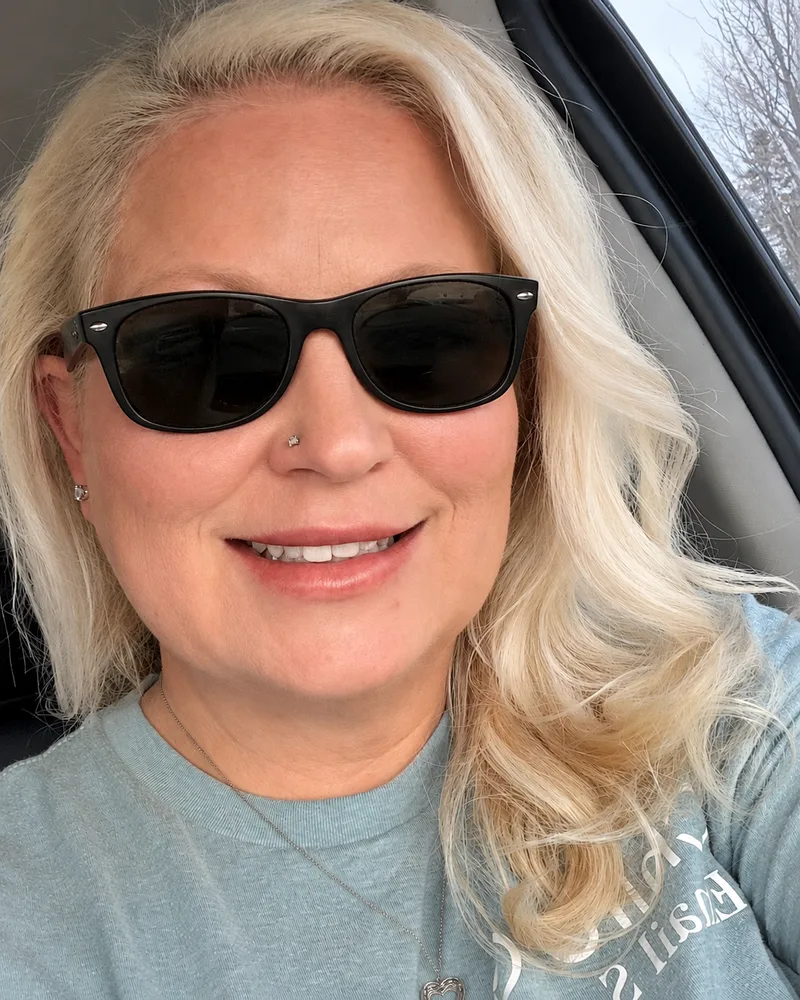
I stole Greg’s desk for an interview this week. 🎤
Scooted his keyboard over, parked my MacBook right in the middle of his command center, and took his space over.
It was a more professional look than the CEO who runs shit from a blue chair, feet up on a cow ottoman.
Dr. David Stone interviewed me this week for his DC students. I met him and his wife at the Michigan event I attended back in April. So when he asked me to talk to his students, it was an immediate yes.
These future DCs need the fundamentals nobody hands you when you’re starting out.
The website. The Google profile. The social presence. The email list.
The boring stuff you start on day one so it’s worth something by the time you need it. 🔑
None of it is sexy. All of it compounds. A five year old email list is an asset. A five week old one is a spreadsheet. The only difference between those two things is when you started.
These students are graduating into a world that’s wall to wall AI and autopilot. Every tool they’ll ever buy is going to promise it runs itself. And look, I’m not the person to wag a finger at technology. I use it every single day. Greg builds it in the next room.
But the pilot still flies the plane.
You watch the autopilot. It doesn’t watch you. The second you forget which one of you is flying, you’ve got a problem no software fixes.
You can’t automate trust.
And no system ever built earns a patient’s trust for you. That part was never automatable. It never will be.
Now here’s the part I didn’t say on camera, so I’ll say it here.
Chiropractic has the lowest incoming student numbers in 30 years.
And half the docs who do graduate aren’t practicing in five.
Half. Gone in five years.
Sit with that one for a second, because I had to.
Not because they stopped believing in chiropractic. Sound familiar? It’s the same thing I tell you about your patients every single week. Belief was never the problem.
Nobody taught them how to keep the doors open while they got good at it.
They walked out of school knowing how to adjust and nobody ever showed them how to run the thing that pays for the adjusting table.
I know exactly what that feels like, by the way. Nobody handed me a framework either.
I was a teen mom with no college who jumped into the working world and learned every piece of it the hard way. Screwing it up. Doing it again.
The stuff I taught those students in an hour took me years to learn by breaking it first. 🔨
That’s why the yes was easy.
This profession is a life I believe in. Not a market I serve. A life. And right now we’re making more real headway than I’ve seen in my fifteen years of doing this. The momentum is real. We need more chiropractors, not less. So if an hour of my week helps one of these students stick with adjusting in 2031, that’s the easiest math I’ll do all year.
And then the part that got me, after I closed the laptop and gave Greg his desk back.
Everything I told those students at the very start of their career is the same thing I tell docs twenty years in. Word for word. Start before you need it. Show up before it’s convenient. Stay consistent long enough for it to matter.
Same speech, whole career apart. Funny how that works.
If Dr. Stone gives me the go-ahead to share the interview, I will.
Tonight, the couch and the new season of King of the Hill. I miss the 90s something terrible. 📺
Then it hit me. Most of those students weren’t even alive for the 90s. Their decade is this one, the loud confusing one with the robots in it.
Mine too, apparently.
Propane and patience. Some things still don’t automate. 🔥
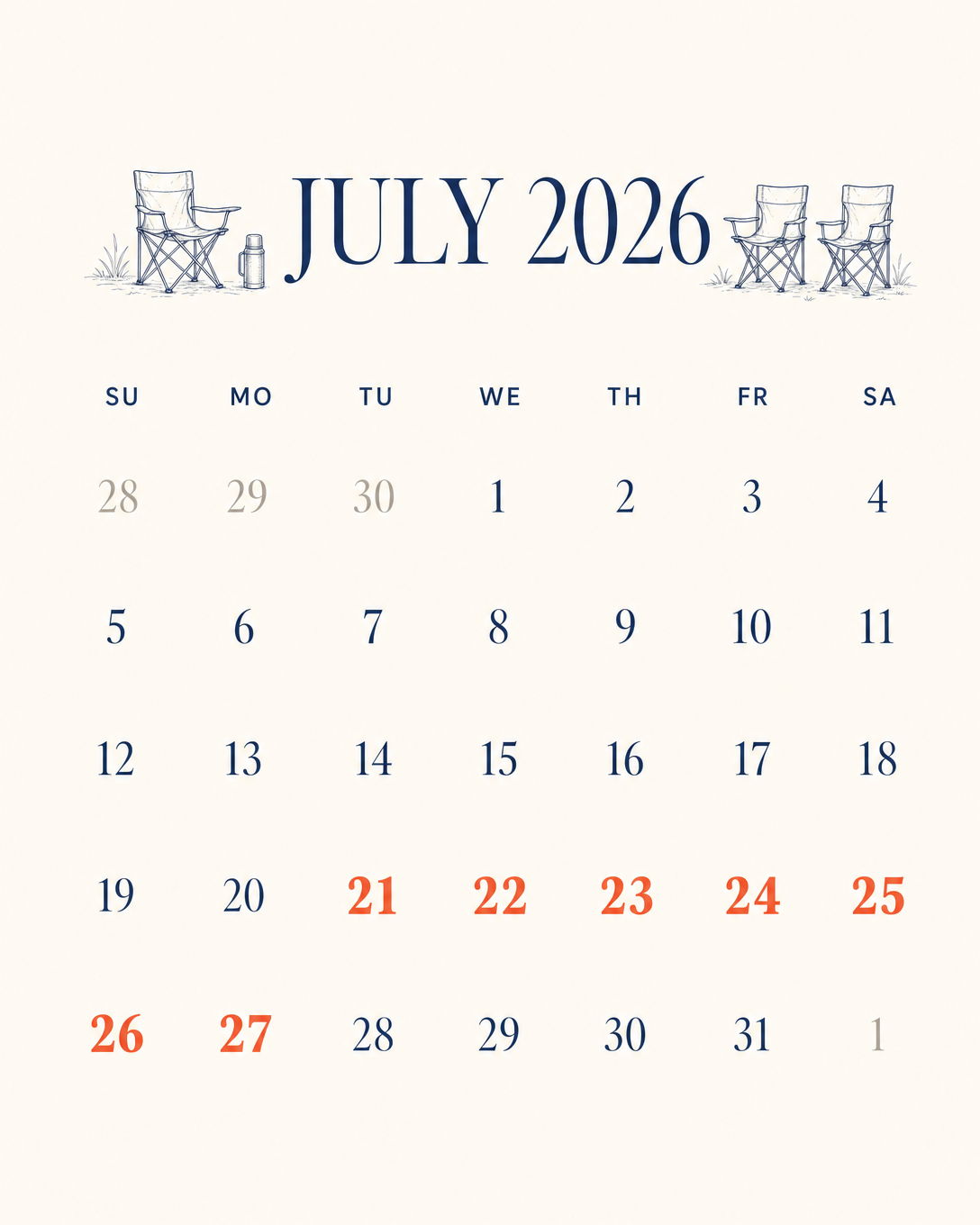
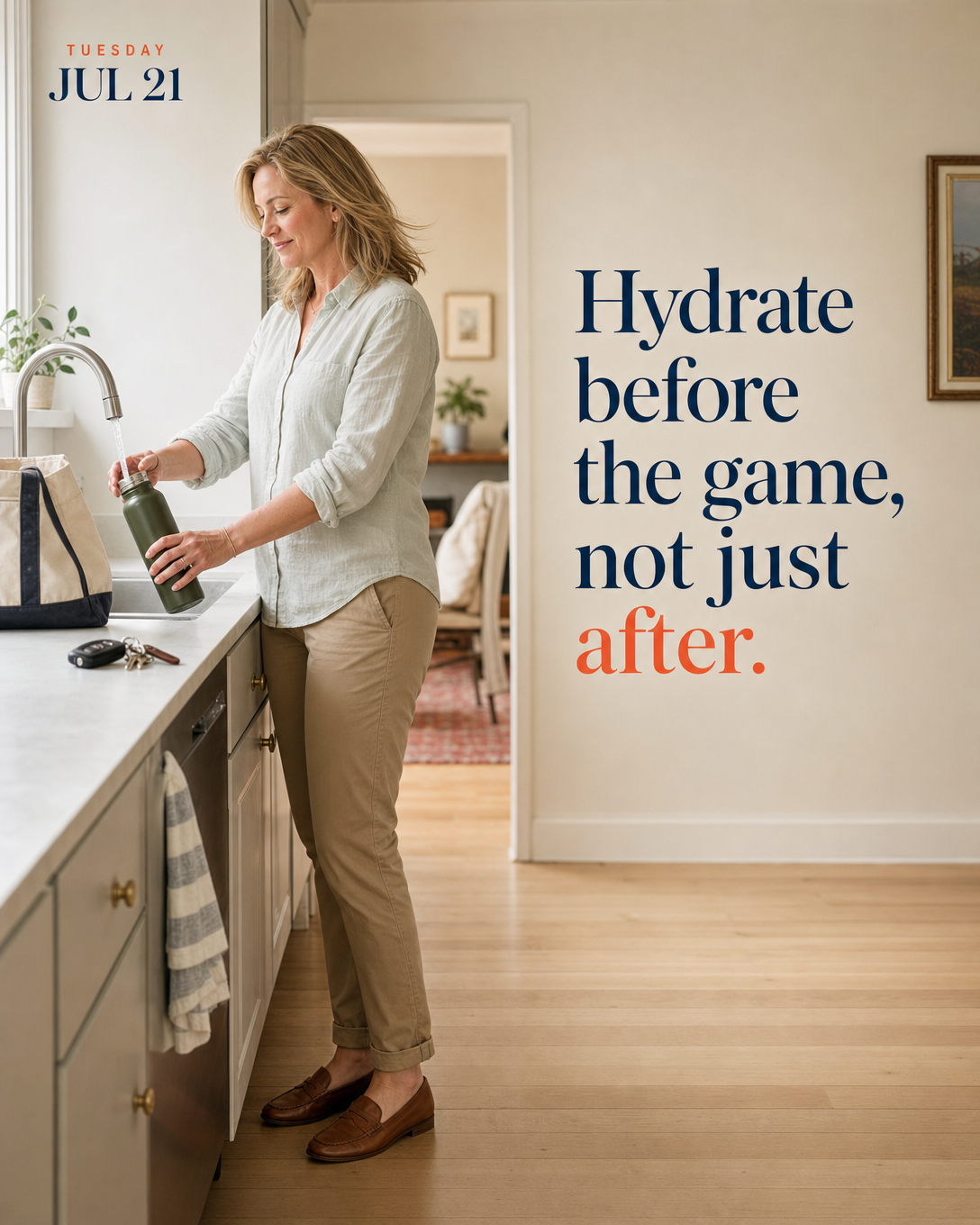
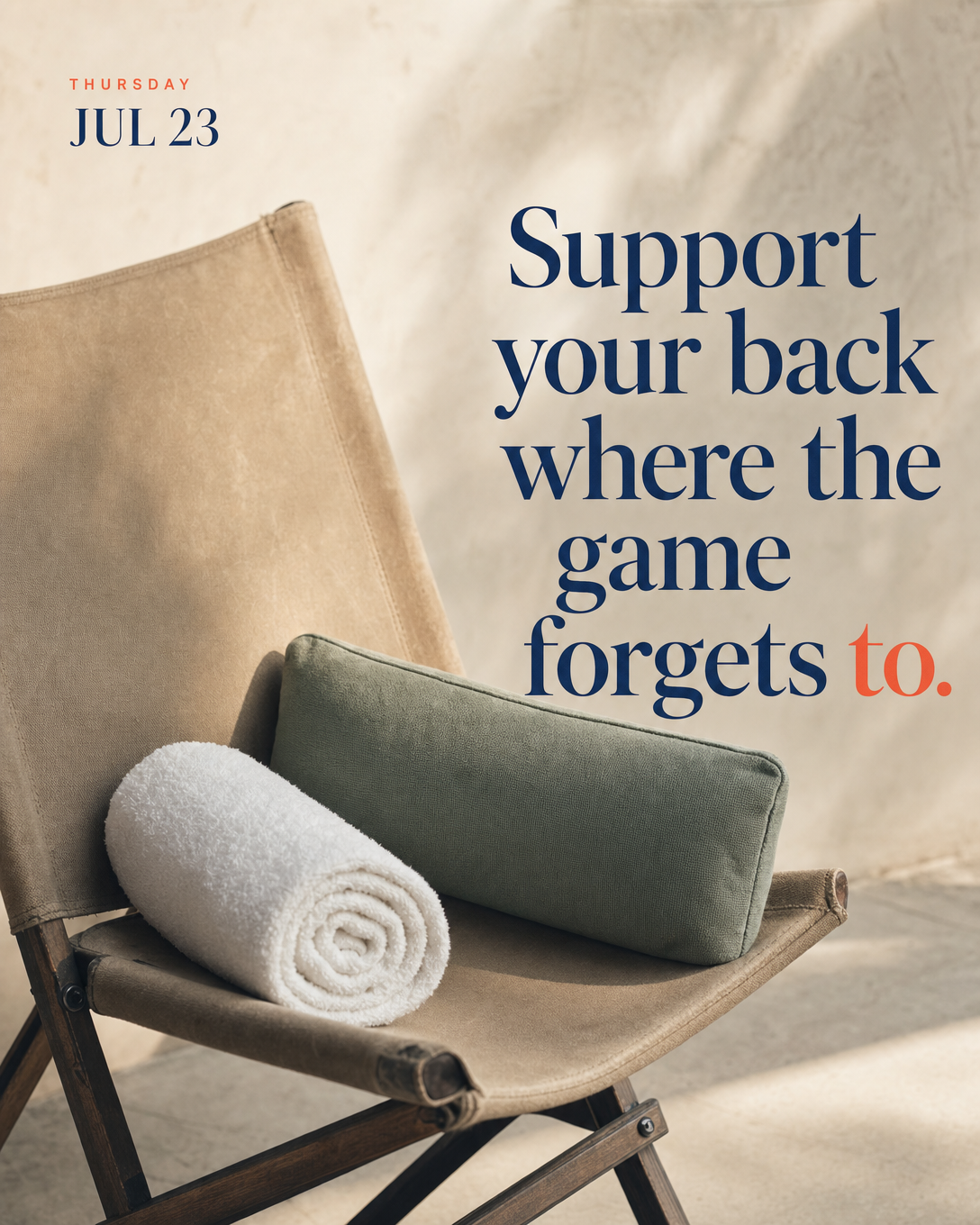
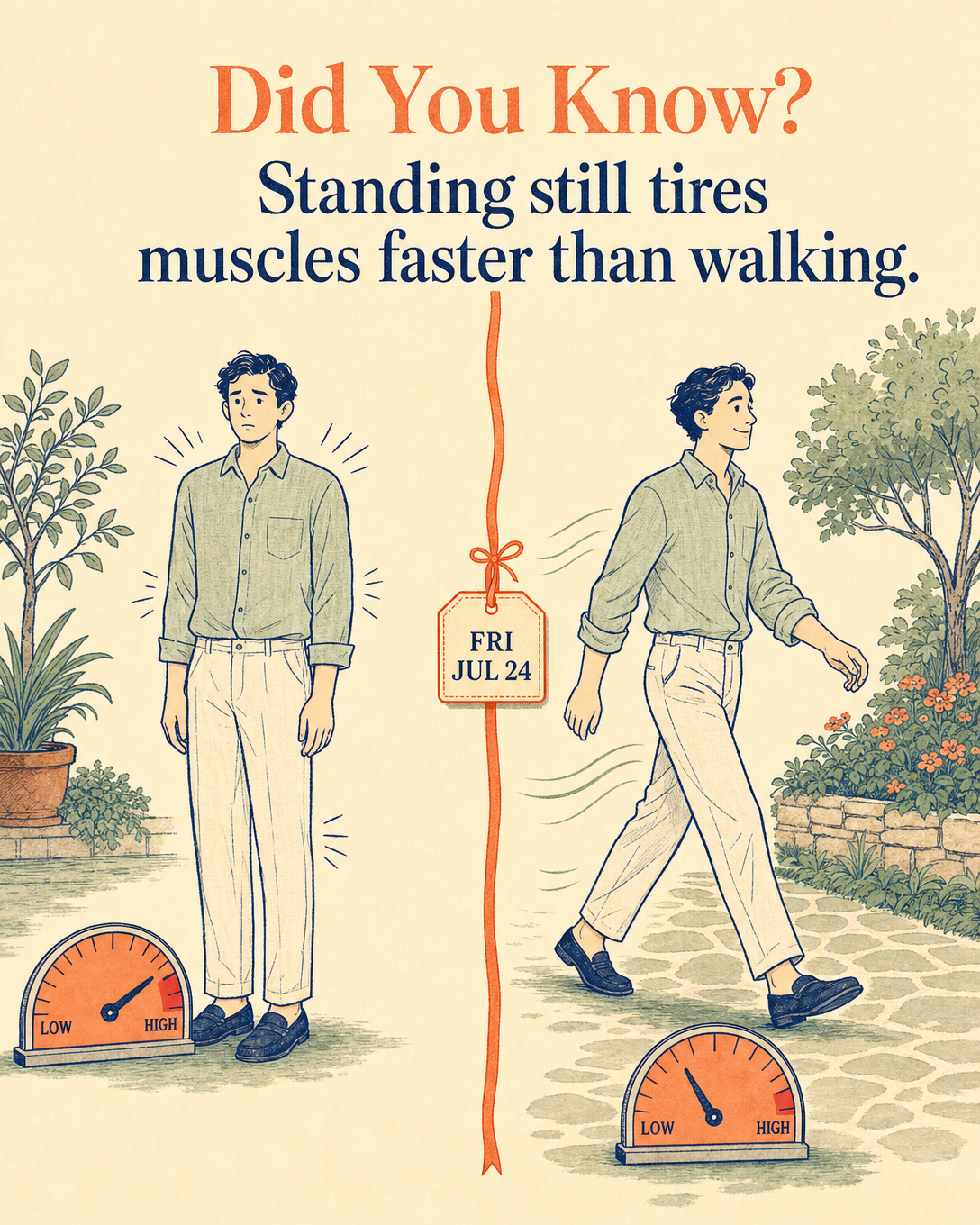
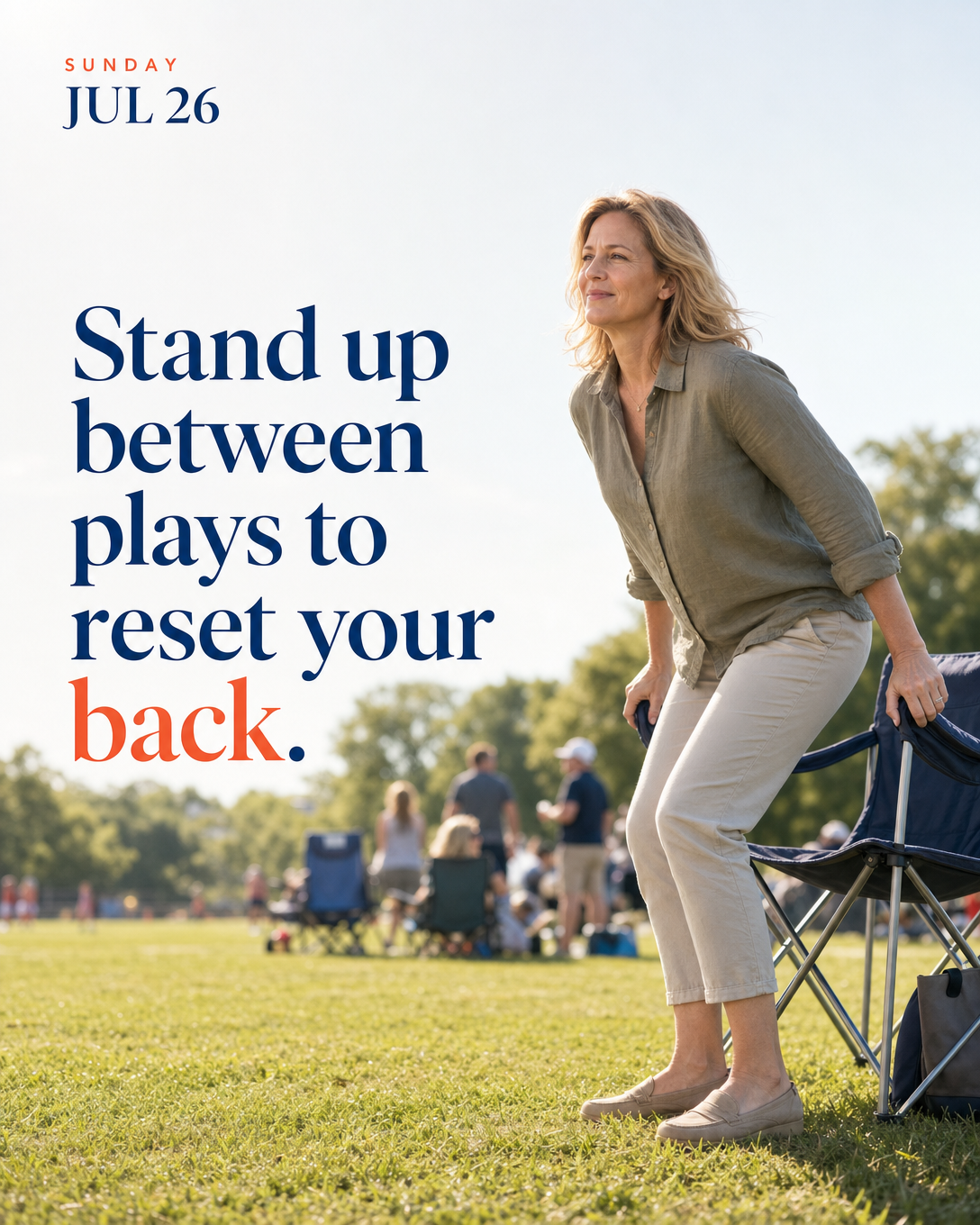
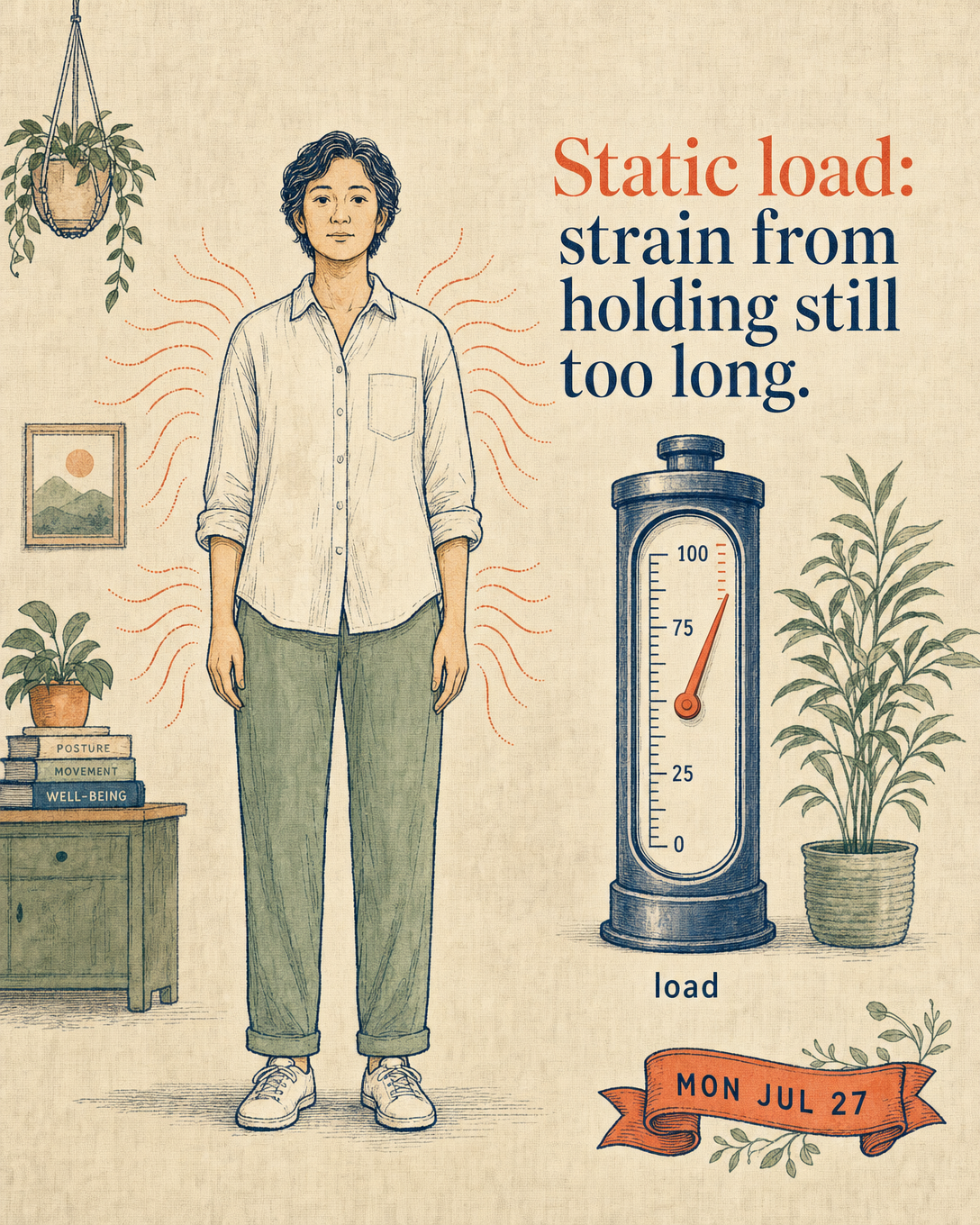
Your Week of Wellness
We include this wellness calendar in every Chiro Connect newsletter. It gives patients something to check and use through the week, and a reason to open the email. Want it going out for your clinic?


FAQ
Do patients quit chiropractic care because they stop believing in it?
No. Most mid-plan dropoffs happen because the patient got what they came for. The pain resolved, and in their head the plan resolved with it. Belief was never the problem. The exit is operational, not philosophical.
What visit do most chiropractic patients drop off their care plan?
Visits 10 to 12. That’s the average care plan dropoff point, and it lines up with the moment pain relief kicks in. Patients rarely announce it. They just start letting visits slide.
What should I say at the feeling-better visit?
One clear sentence, said the same way every time: “Feeling good is step one. Now we make it stick so you’re not back here in the fall.” Then book the next two visits before the patient leaves the room. If they go quiet anyway, that’s what a patient reactivation system is for.
Does summer cause patient dropoff?
No. Summer doesn’t cause the slide, it just makes it effortless. Vacations and kids at home remove the friction from skipping, but the decision to skip was already forming the day the pain let go. Clinics whose patients hear from them weekly between visits give that decision something to push against.