
Chiro Connect
Getting a patient to commit to a real care plan is the hardest thing you do all week. The exam. The report of findings. The X-rays. The finances. You earn that yes. So when you finally get it, it feels like the finish line.
It isn’t.
Look at what that yes is actually built on. Not chiropractic. Not the nervous system. Not the lifetime of care you laid out. Getting out of pain. That’s what walked them in, and that’s what the yes is anchored to. You did the hardest part of the job, and the plan you just closed is still riding on a feeling that’s going to fade. The yes you earned and the belief you need aren’t the same thing. You’ve got one of them.
Does a great report of findings make a patient a believer?
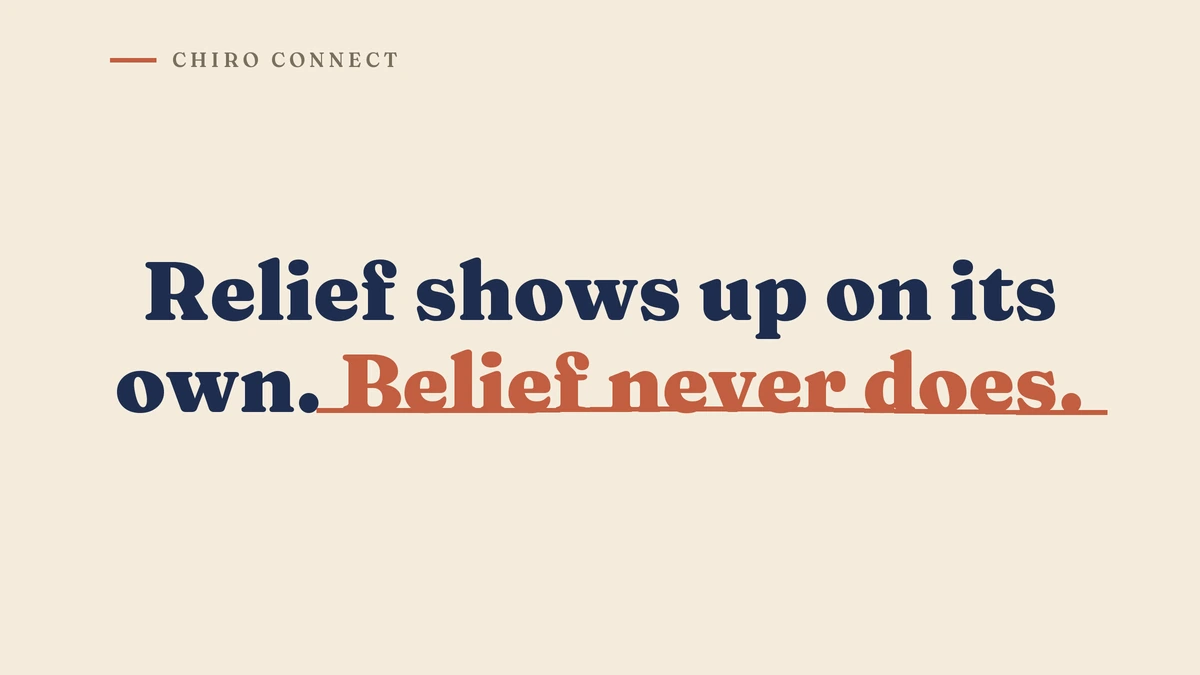
No. A great report of findings is where you make your case, but a patient nodding along isn’t the same as a patient believing. The nervous system, the plan, why care matters long after the pain’s gone. They nod. They sign. They heard all of it and still said yes for one reason. Relief.
Try this: look at your last year in review. How many patients started care and dropped before they finished? That’s the number you want to stop. The ones who already slipped through are a reactivation problem; the ones still on the table are a retention one.
Why do patients stop coming once they start feeling better?
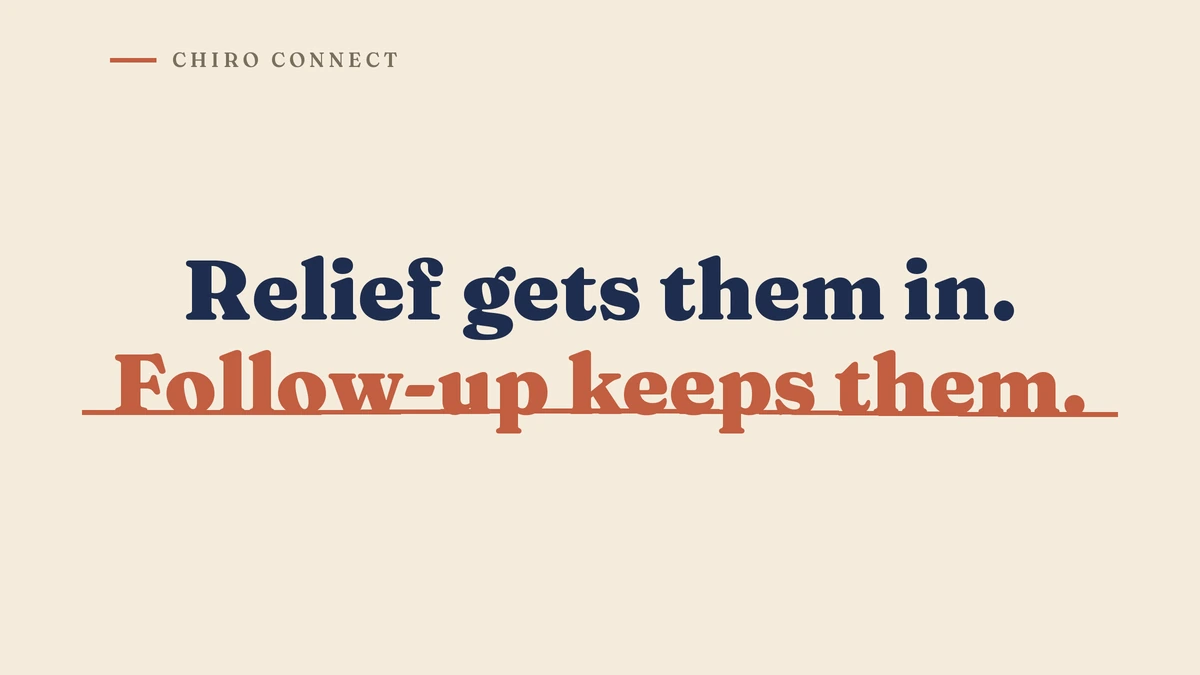
Because the patient who quits usually isn’t the unhappy one, it’s the one who feels great and figures they got what they came for. Relief was the whole reason they said yes. The pain leaves. The reason leaves with it. They didn’t quit chiropractic. They got what they came for and walked before they ever knew why to stay.
Try this: catch the “I feel better” visit when it happens and say it out loud. Relief is step one, not the finish. If they hear that from you first, you’ve got a shot. If they decide it for themselves, the yes is already gone.
How do you turn relief into belief that keeps patients coming back?
You build it one genuine message at a time, because relief shows up on its own but belief never does. We’ve worked with more than 1,000 chiropractic practices, and the pattern is always the same. The schedule doesn’t leak because patients stopped believing in chiropractic. It leaks in the weeks right after they start feeling better, while belief is still trying to catch up. What carries them through that stretch isn’t a reminder or a blast. It’s you showing up in their life on a normal Tuesday when nothing hurts. You can’t automate trust. You can stay consistent, one genuine message at a time.
Try this: look at what a brand new patient hears from you in their first 30 days that isn’t an appointment reminder. If it’s nothing, you’re leaving belief to chance. And relief always beats you to the door.
What This Means for You
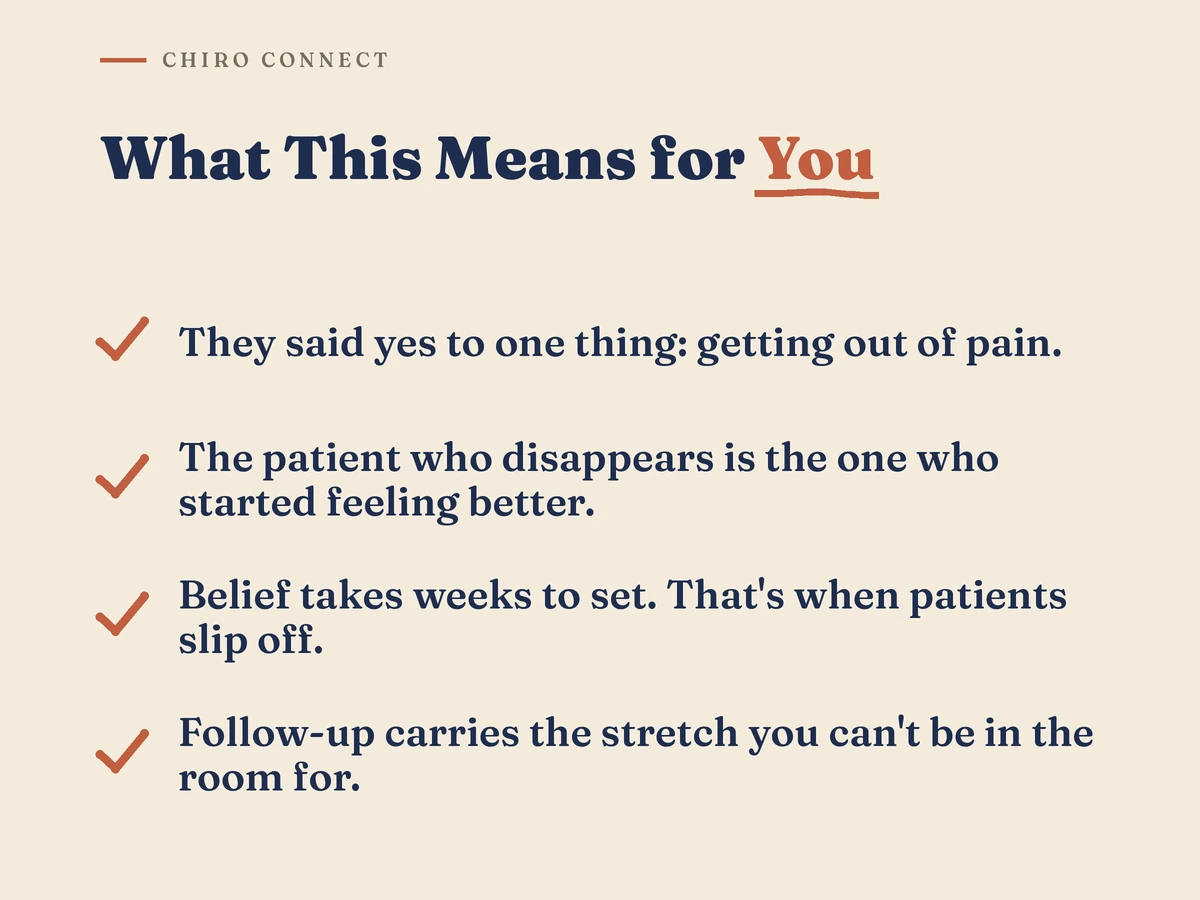
- ✓They sat through your entire report of findings and signed up for one thing. Getting out of pain.
- ✓The patient who disappears isn't the unhappy one. It's the one who started feeling better.
- ✓Belief in their care takes weeks to set, and those early weeks are where new patients quietly slip off the schedule.
- ✓The stretch between relief and real belief is the part consistent follow-up has to carry, because you can't be in the room for all of it.
Pro Tip: Don’t wait for the maintenance conversation to start building belief. The first 30 days, while the pain is still leaving, is when a patient decides whether you’re a quick fix or part of how they stay well. Put something genuine in front of them in that window that isn’t a reminder to rebook.
Curious what your patients actually hear from you between visits, and whether it’s landing? Book a quick call and we’ll show you. If you want this kind of thinking every week, the Chiro Courier is where it lives.
Inside CC with Nerissa: Built a Website This Weekend and the Reels Were Lying to Me
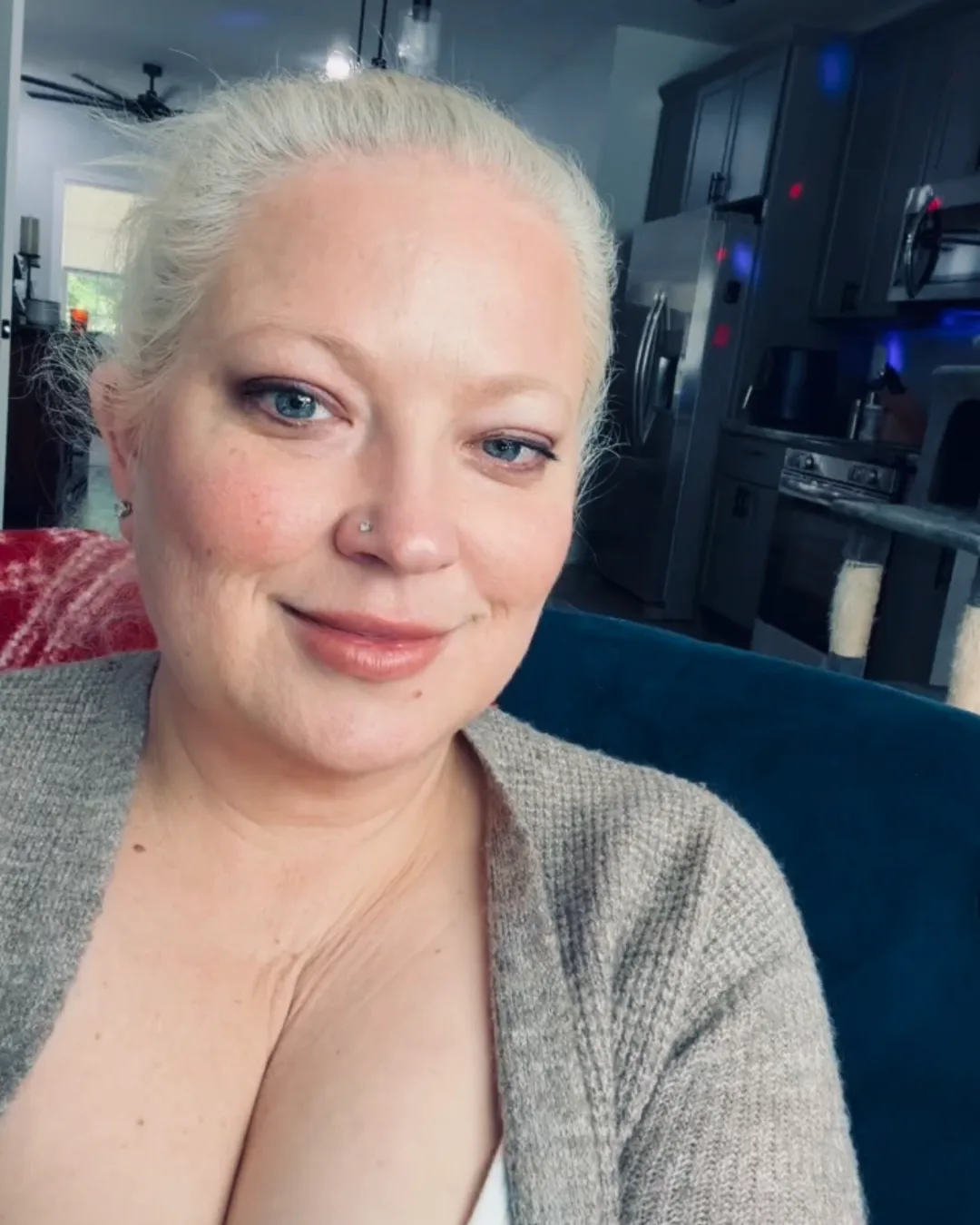
24 hours of building and my botox caused lazy eye showed up. One eye’s working. The other one’s tired.
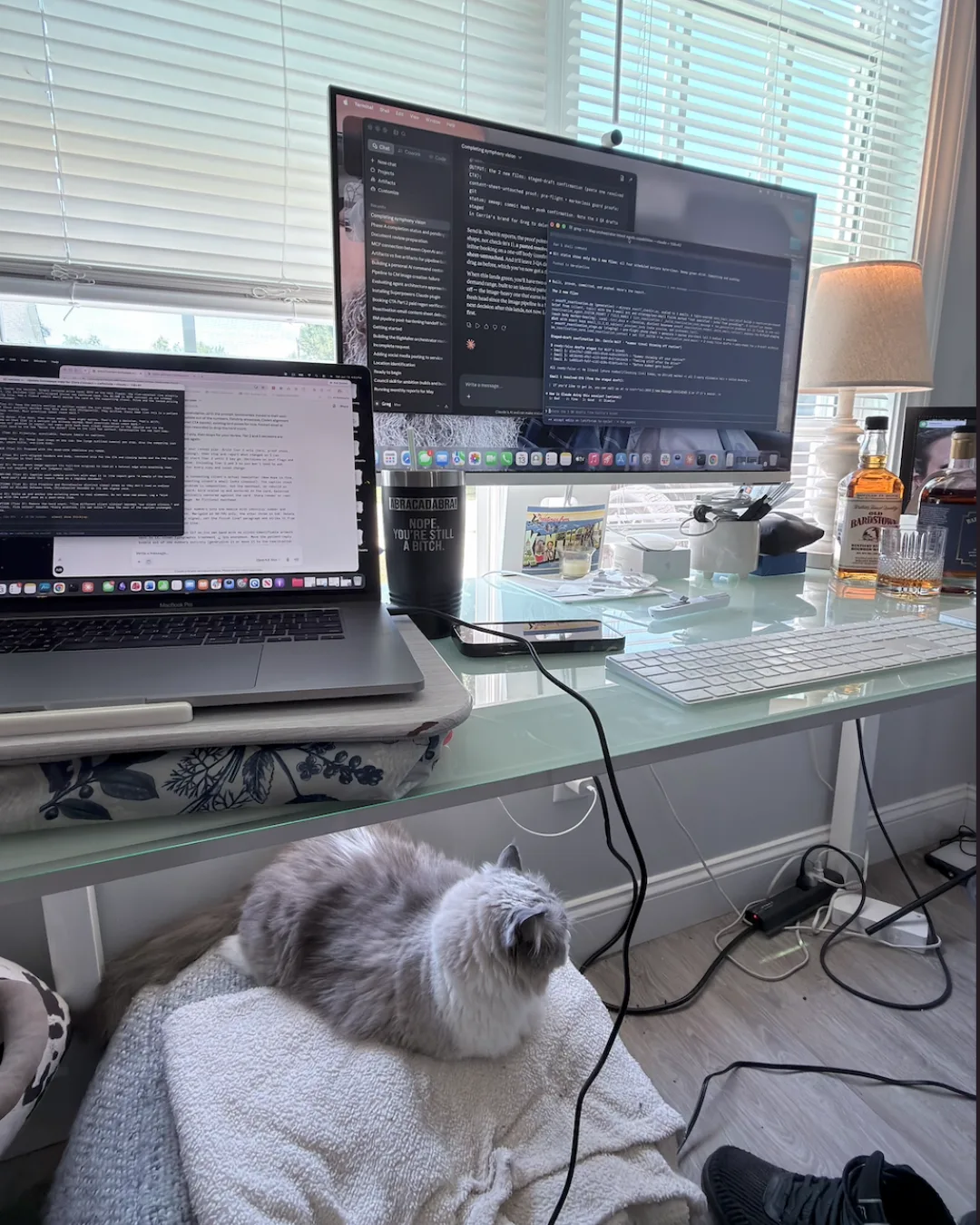
Working in Claude like we owe him money. Berlioz has heard things he can’t unhear.
The reels make it look easy. Twenty minutes, a template, a glass of wine, done.
That’s not what happened.
I spent my entire weekend building a website. Twelve hours Saturday. Twelve hours Sunday. It wasn’t as easy as Instagram wants you to believe. But I figured it out.
Here’s why I was up at all hours doing it in the first place.
We’re on a deadline right now to get a mountain of work done. And one day it hit us like a ton of bricks. This entire business has been running inside my head. Every process. Every decision. Every single thing only I knew how to do.
That’s not a business. That’s a disaster waiting to happen.
I’ve shared a bit of this already. I’m working 80 hour weeks. Right next to Greg while he builds my AI agents, and I take down every process I can pull out of my head and put it somewhere a real team can run it.
What we’re building goes way past email. And it’s remarkable.
Retention and reactivation aren’t marketing. They’re foundational. Every business runs on whether they see it or not.
Then yesterday happened.
I met with a doc who needed help with Meta ads. By the time we got on the call, he’d already solved the thing he called me about.
So we talked about the bigger thing. What’s actually happening in his patient journey?
His ads work. Really work. He runs a $39 consult and first adjustment, runs it a while, kills it, runs it again. What it costs him to get a new patient in the door is almost nothing. He’s got it down cold.
But he’s been pointing that ad at Messenger. And every one of those conversations eats a person’s time.
So this time we used the Claude second brain to build a booking link just for that ad. Five day run. I’m dying to see what it does.
Here’s the part that lit me up.
The people who didn’t sign up after the consult. The people who booked and never walked in.
Right now, nothing happens to them.
They drop into the regular newsletter, which is great for keeping patients close. But it’s not talking to them. Not about where they really are.
That’s what we’re building toward.
Those groups are small. Small adds up. Two care plans he’d lost otherwise, pulled from one ad cycle. That’d just paid for itself twice over.
So maybe email is marketing. Maybe it’s just good business. I stopped needing it to be one or the other.
Either way it’s still king of the jungle for staying in front of people. Our open rates say so. 50 to 70% of the patients on our client lists open an email from their chiropractor every month.
Anyway, the new site’s live. Go see what 24 hours buys.
The reels still owe me an apology.
What does a Chiro Connect newsletter actually include?
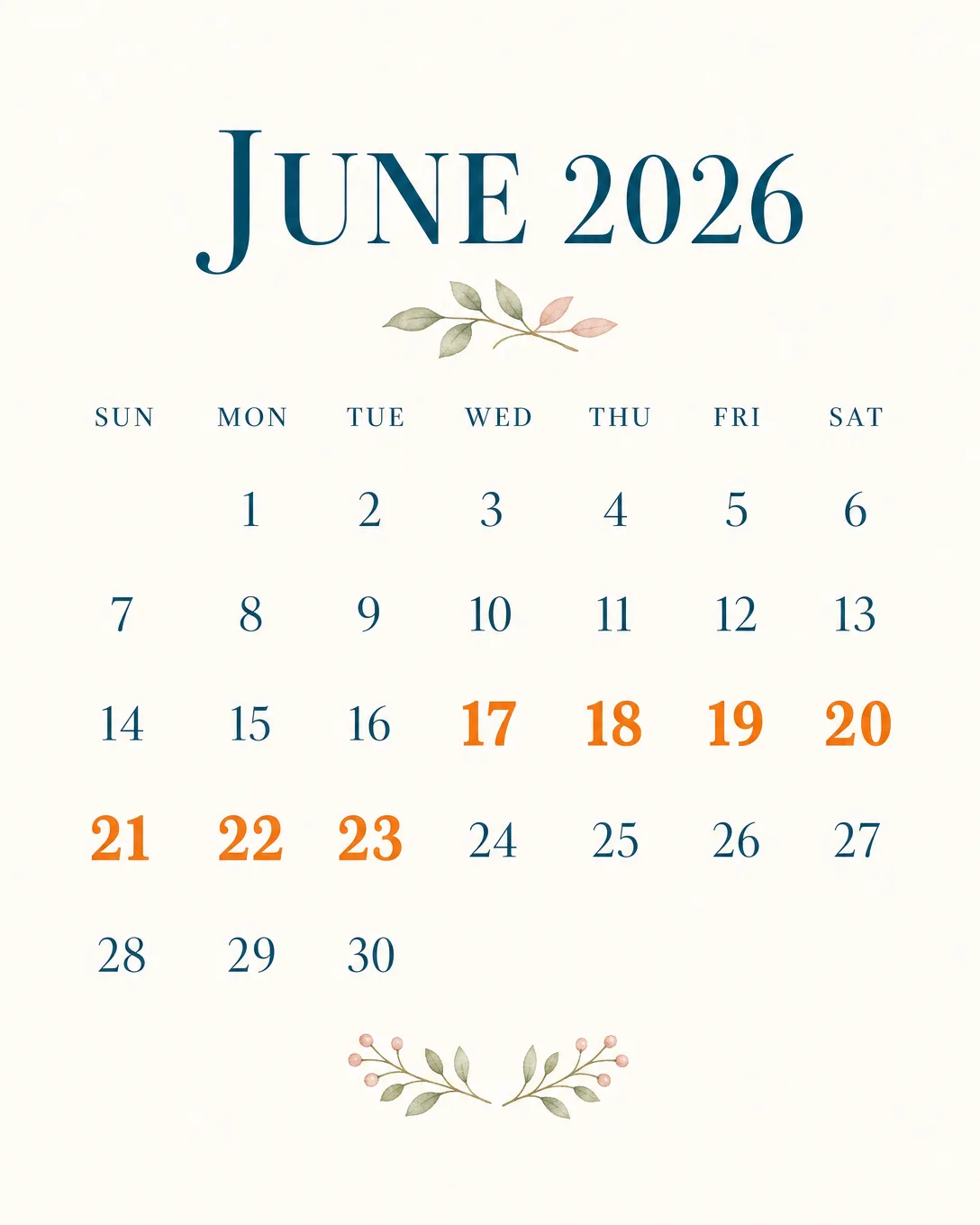
Every newsletter ends with a Week of Wellness, a simple daily calendar that gives patients something to check and use all week, and a reason to open the next email. Here’s the one that went out with this issue.







Frequently Asked Questions
Why do chiropractic patients stop coming once they feel better?
Because relief was the reason they said yes, and when the pain leaves, the reason leaves with it. The patient who drops off usually isn’t unhappy, they feel great and figure they got what they came for. Retention depends on building belief before the relief runs out.
How long does it take a patient to actually believe in chiropractic care?
Belief takes weeks to set, and the early weeks of care are exactly when new patients quietly slip off the schedule. The stretch between relief and real belief is the part consistent follow-up has to carry.
Is paid advertising or follow-up better for chiropractic patient retention?
Ads get patients in the door, but they don’t keep them. The patients who booked and never showed, or didn’t sign up after the first visit, need direct follow-up, not just a general newsletter. Retention is what happens after the ad does its job.
Can patient retention be automated?
You can’t automate trust, but you can stay consistent. The point isn’t to send more, it’s to show up in a patient’s life on a normal week when nothing hurts, one genuine message at a time.